
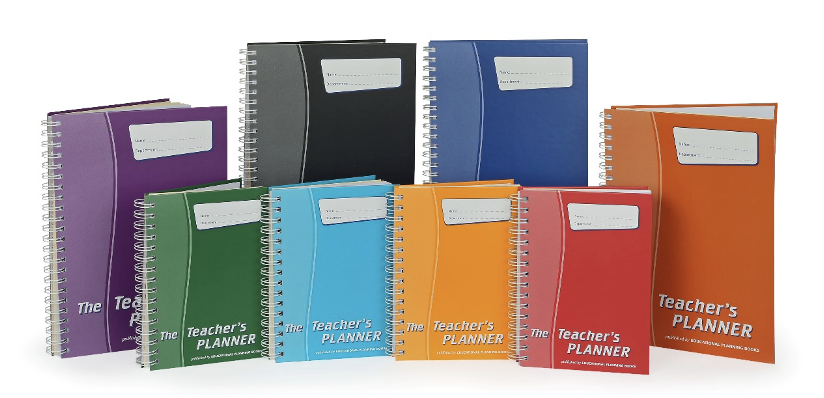
You may have heard colleagues mention their teacher planner or seen one open on a desk during a meeting. If you’re new to the profession, or stepping into greater planning responsibility, it’s reasonable to ask what a teacher planner is and how it differs from an ordinary diary.
A teacher planner is a structured planning book designed specifically for teachers. It helps bring lesson planning, timetables, assessment records, class information, meeting notes and key school dates together in one place.
Unlike a general diary or notebook, a teacher planner is built around the academic year and the practical rhythm of school life. It gives teachers a clear framework for planning lessons, managing classes, recording progress and staying organised throughout the term.
At Educational Planning Books, we produced the UK’s first Teacher’s Planner in 1978. It was created by a teacher who understood the pressure of organising multiple classes, lessons and responsibilities. Decades later, our planners continue to support teachers, teaching assistants and schools across the UK.
Quick Answer: What Is A Teacher Planner?
A teacher planner is a purpose-built school planning book used by teachers to organise lessons, timetables, student information, assessment records, notes, meetings and academic-year tasks.
| Teacher planner feature | What it helps with |
|---|---|
| Lesson planning pages | Planning lesson focus, activities, resources, homework and follow-up work. |
| Timetable sections | Keeping the school week visible and easier to manage. |
| Assessment and record pages | Recording marks, progress, attendance notes or class information. |
| Notes and key dates | Tracking meetings, deadlines, school events and reminders. |
Understanding The Teacher Planner
The teacher planner meaning becomes clearer once you see how it is used day to day. It is not simply a dated book for appointments. It is a working document that supports lesson preparation, record keeping and organisation across the school year.
Most teacher planners include space for:
- Weekly lesson planning
- Daily or weekly timetable notes
- Term overviews
- Student or pupil information
- Assessment tracking
- Attendance records
- Meeting notes and key dates
- Homework or follow-up reminders
The structure removes the need to design your own templates or manage loose sheets of paper. Everything sits within a consistent format that reflects how schools operate.
For early career teachers, that structure can provide reassurance. Planning feels more manageable when there is a clear framework on the page. Teaching assistants who move into planning roles often find the same benefit. Having a defined layout reduces guesswork and keeps information organised.
Teacher Planner Vs Diary
The question of teacher planner vs diary is one we hear often.
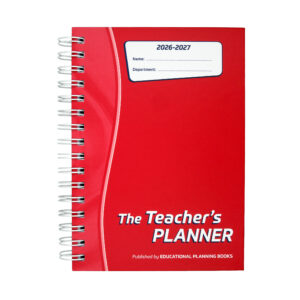
A standard diary is designed for general appointments and reminders. It usually offers limited space for detailed lesson planning and no dedicated areas for assessment tracking, class records or timetable-based planning. Teachers often find themselves squeezing information into small sections or adding additional documents.
A teacher planner is different because it is designed around teaching from the outset. Weekly spreads reflect school timetables. There is room to note lesson focus, homework and follow-up actions. Assessment pages are built in so progress can be recorded alongside planning. The layout supports the rhythm of the term rather than general life admin.
| Teacher diary | Teacher planner |
|---|---|
| Usually focused on dates, appointments and reminders. | Built around lessons, timetables, notes, records and school-year organisation. |
| Useful for general scheduling. | Useful for teaching, planning, recording and follow-up work. |
| May have limited writing space for each day. | Usually gives more structured space for teaching information. |
| Not always designed around school terms or lesson periods. | Designed to support the rhythm of the academic year. |
During busy periods, that difference becomes significant. A planner that anticipates your needs saves time and reduces duplication.
Teacher Planner Vs Lesson Planner
A lesson planner is usually focused on individual lessons. It may help you record learning objectives, activities, resources, timings, assessment points and homework.
A teacher planner is broader. It can include lesson planning, but it also helps with timetables, class lists, assessment records, meeting notes, key dates and wider school organisation.
For many teachers, the most useful option is a teacher planner that includes enough lesson planning space while also supporting everything else that sits around teaching.
| Use a lesson planner if… | Use a teacher planner if… |
|---|---|
| You only need to plan individual lessons. | You need to manage lessons alongside timetables, records and school tasks. |
| Your school already provides a fixed lesson plan template. | You want one place for day-to-day teaching organisation. |
| You are focusing on lesson objectives, activities and resources only. | You also need notes, records, key dates, class information and follow-up actions. |
What Does A Teacher Planner Include?
Open a well-designed teacher planner and each section has a clear purpose.
You can expect to find:
- Planning pages that allow you to see your timetable and plan lessons in context
- Term overview pages that help map curriculum coverage and key milestones
- Assessment tracking sections that provide space to record grades or observations
- Class lists and student information that sit alongside planning pages
- Notes pages for meetings, reminders and school priorities
- Space for key dates, deadlines, events and follow-up actions
Instead of relying on scattered documents or multiple systems, your core professional information is contained in one book.
Since 1978, we have refined our planners through ongoing feedback from teachers. As a family company founded by a teacher, we have always focused on clarity and practicality. Our aim to create lesson planning books for teachers that genuinely support their workload has remained the same.
What Is A Teacher Planner Used For?
A teacher planner can be used in different ways depending on your role, school and planning style.
| Use | How it helps |
|---|---|
| Planning lessons | Keeps lesson focus, resources, homework and follow-up actions visible. |
| Managing timetables | Helps teachers see the week clearly and prepare for different lessons or groups. |
| Tracking progress | Provides space for marks, observations, assessment notes or class records. |
| Recording meetings and reminders | Keeps staff meetings, parent evenings, duties and school events in one place. |
| Reducing scattered paperwork | Helps reduce reliance on loose notes, separate notebooks and ad hoc planning sheets. |
Digital Tools And The Physical Teacher Planner
Schools across the UK rely on digital platforms for registers, reporting and shared resources. These systems are essential. Many teachers, however, continue to use a physical teacher planner alongside them.
One reason is visibility. With a physical planner open on your desk, the week is immediately clear. You can see where lessons sit and where time is tight without navigating screens.
Focus is another factor. Planning on paper removes the distraction of notifications and emails. Writing lessons by hand often encourages careful thought about structure and pacing. Reviewing a double page spread can feel more natural than switching between tabs.
A physical teacher planner does not replace digital systems. It works alongside them as a personal organisation tool.
Choosing A Teacher Planner
The term teacher planner covers a wide range of products. When selecting your planner, consider how well the layout reflects your timetable and teaching role. Look for sufficient space for meaningful lesson detail and practical assessment sections that are easy to use across the term.
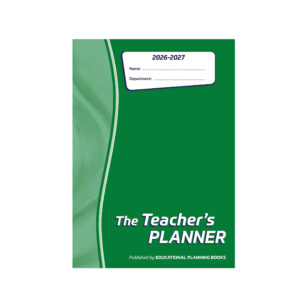
Size and binding also matter. Some teachers prefer an A4 planner because it gives more writing space. Others prefer an A5 planner because it is easier to carry between classrooms, meetings and home. Some prefer a complete wiro-bound planner, while others choose loose leaf pages with a ring binder so they can add, remove or reorganise sections.
| If you need… | Start here |
|---|---|
| A full teacher planner range | Teacher Planners |
| More writing space | A4 Teacher’s Planner |
| A compact planner | A5 Teacher’s Planner |
| A planner for primary teaching | Primary Teacher’s Planner |
| A planner for teaching assistants | Teaching Assistant’s Planner |
| Marks and record keeping | Record Books |
Personalisation can also be valuable. We offer options to include your name or school branding so your planner feels integrated into your professional setting.
Is A Teacher Planner Worth Using?
Understanding what a teacher planner is allows you to decide whether it suits your working style. For many teachers, particularly those managing several classes, a structured physical planner brings clarity to the week and keeps planning consistent.
It is more than a diary. It is a framework shaped specifically for education and refined over decades of classroom experience. When organisation feels overwhelming, having everything in one place can make the demands of the school year feel more manageable.
If you are still comparing planner types, our guide to the best teacher planner for primary, secondary and trainee teachers explains how different planner formats suit different roles.
Browse Teacher Planners For The Current Academic Year
Our webstore is now showing products for the 2026-2027 academic year. You can browse our current range of Teacher Planners, including A4 and A5 options, wiro-bound planners, loose leaf planners, ring binders and supporting products.
If you have any questions, our team is here to help. Call 01433 651010, email us at sales@edplanbooks.com, or fill in our online contact form.
Teacher Planner FAQs
What is a teacher planner?
A teacher planner is a structured planning book designed for teachers. It usually includes space for lesson planning, timetables, assessment records, class information, notes, meetings and key dates.
What is the meaning of teacher planner?
The meaning of teacher planner is a purpose-built planner used by teachers to organise lessons, classes, records and school-year responsibilities. It is different from a general diary because it is designed around teaching.
What is a teacher planner used for?
A teacher planner is used to plan lessons, manage timetables, record student information, track assessment, organise meetings, note key dates and keep day-to-day teaching information in one place.
What is the difference between a teacher planner and a diary?
A teacher diary is usually focused on dates, reminders and appointments. A teacher planner is more structured and includes space for lessons, timetables, class records, assessment notes and wider school organisation.
Is a teacher planner the same as a lesson planner?
No. A lesson planner is usually focused on planning individual lessons. A teacher planner is broader and can include lesson planning alongside timetables, records, notes, meetings and academic-year organisation.
Do teachers still use paper planners?
Yes. Many teachers use paper planners alongside digital school systems because they provide a visible, easy-to-use place for weekly planning, lesson notes, reminders and personal organisation.
What should a teacher planner include?
A teacher planner should include lesson planning pages, timetable sections, space for key dates, notes, assessment records, class information and practical school-year organisation.
Is a teacher planner useful for trainee teachers?
Yes. A teacher planner can help trainee teachers organise placement timetables, lesson plans, mentor feedback, observations, evidence notes and deadlines during their training year.
Which teacher planner should I choose?
The best teacher planner depends on your role and how you work. A4 planners give more writing space, A5 planners are easier to carry, loose leaf planners offer flexibility, and role-specific planners may suit primary teachers or teaching assistants.